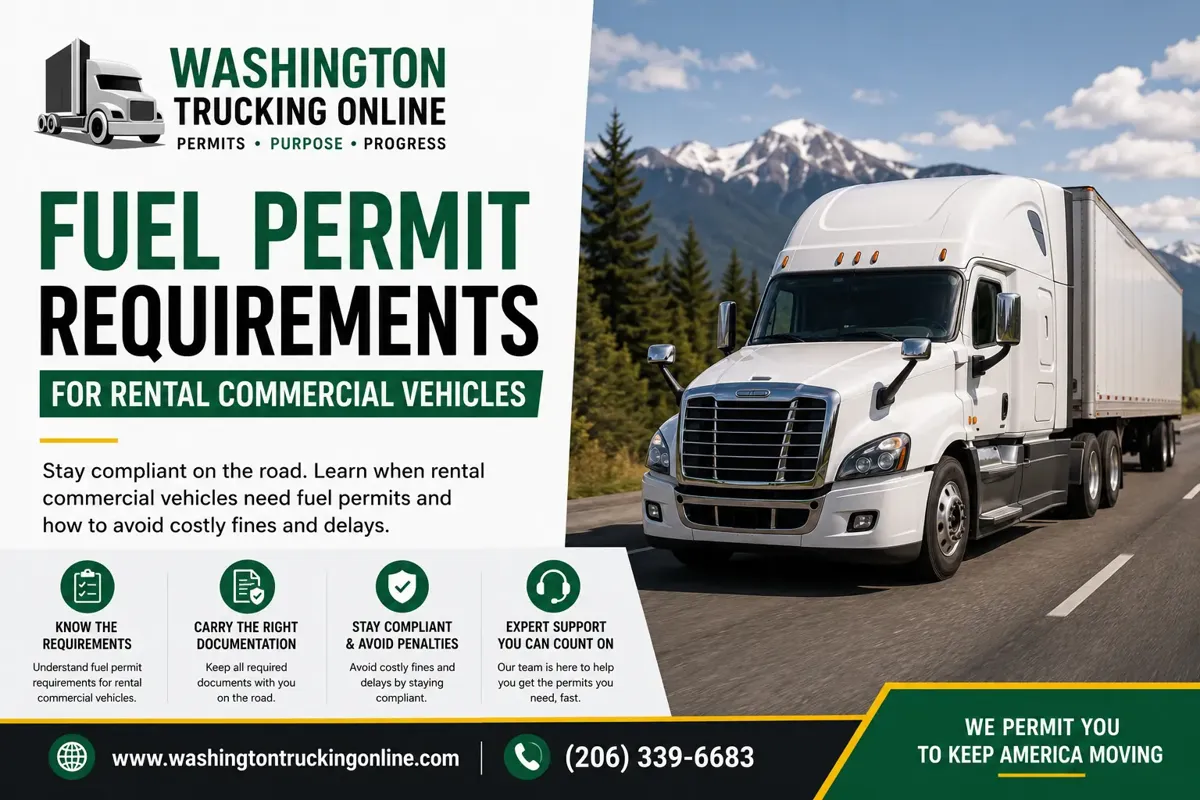
Rental commercial vehicles provide flexibility for trucking companies facing seasonal demand, equipment breakdowns, fleet expansions, or specialized hauling projects. Whether a company needs a replacement truck for a few days or additional equipment during a busy season, rental vehicles can help keep operations running smoothly.
However, carriers must understand fuel permit requirements before placing a rental vehicle into service, especially when operating across state lines.
Understanding Fuel Permit Requirements For Rental Vehicles
Fuel permits help ensure that fuel taxes are properly collected from commercial carriers operating in multiple jurisdictions. Many interstate carriers use the International Fuel Tax Agreement (IFTA) to simplify fuel tax reporting and payment. However, when a rental vehicle is added to a fleet, the carrier must determine whether the vehicle is covered under existing IFTA credentials or if a temporary fuel permit is required.
Failing to verify permit requirements before travel can lead to compliance issues, citations, and unexpected delays.
When A Rental Commercial Vehicle May Need A Fuel Permit
Several situations may require a fuel permit for a rental commercial vehicle. For example, a trucking company may rent a truck while waiting for repairs to its primary equipment or to accommodate a temporary increase in freight volume. If the rental vehicle is not properly associated with the carrier's IFTA account, a temporary fuel permit may be necessary before operating in Washington or other jurisdictions.
Carriers should review permit requirements before dispatching any rental vehicle to ensure compliance with applicable fuel tax regulations.
Documentation Drivers Should Carry
Drivers operating rental commercial vehicles should always have the proper documentation available. This typically includes the rental agreement, proof of insurance, vehicle registration information, and any required fuel permit documentation.
Having accurate records readily available can help streamline inspections and demonstrate compliance during roadside enforcement checks. Organized documentation also reduces the likelihood of delays caused by missing paperwork.
Why Many Trucking Companies Choose Our Service
Washington Trucking Online helps trucking companies obtain fuel permits, trip permits, and oversize permits quickly and efficiently. Our team understands Washington permit requirements and works to simplify the process for carriers operating throughout the state. Whether you need a temporary fuel permit for a rental vehicle or assistance with ongoing permit needs, we help keep your operations moving with minimal disruption.
Best Practices For Fuel Permit Compliance
Before operating a rental commercial vehicle, carriers should verify fuel tax obligations, review permit requirements, and ensure all documentation is current. Taking a proactive approach to compliance can help prevent violations and keep operations running efficiently.
By understanding fuel permit requirements and preparing before travel begins, trucking companies can avoid costly interruptions and focus on delivering freight safely and on schedule.
For more information, visit the Washington State Department of Transportation.