Get The Latest News, Advice & Best Practice From Blog
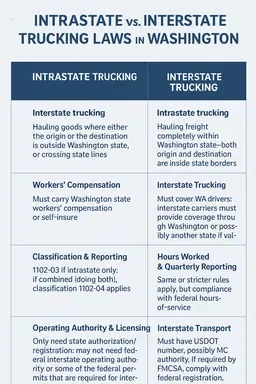
Intrastate vs. interstate trucking laws in Washington
Here’s a breakdown of how intrastate vs interstate trucking laws work in Washington State — their definitions, what rules apply to each, differences, and implications for carriers.
Oct. 12, 2025, 6:23 p.m.
Read more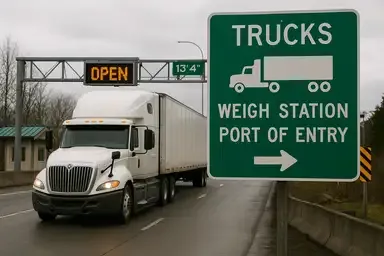
Truck inspection stations and weigh station procedures in Washington
Here’s an overview of how truck inspection stations and weigh station / port of entry procedures work in Washington State — what the rules are, how the technology works, what drivers can expect, and issues to watch out for.
Oct. 11, 2025, 7:07 p.m.
Read more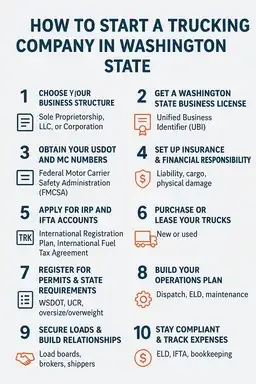
How to start a trucking company in Washington State
Here’s a step-by-step guide on how to start a trucking company in Washington State, including the business, legal, and compliance requirements — plus some practical tips for success in your first year of operation.
Oct. 10, 2025, 7:20 p.m.
Read more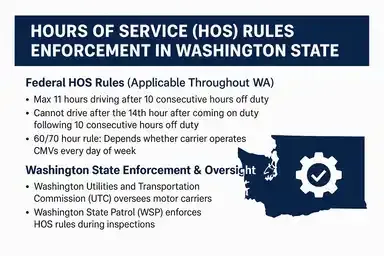
Hours of Service (HOS) Rules Enforcement in WA
Here’s an overview of how Hours of Service (HOS) Rules are enforced in Washington State, including federal rules, state-specific considerations, enforcement agencies, and recent/preempted state laws:
Oct. 9, 2025, 5:28 p.m.
Read more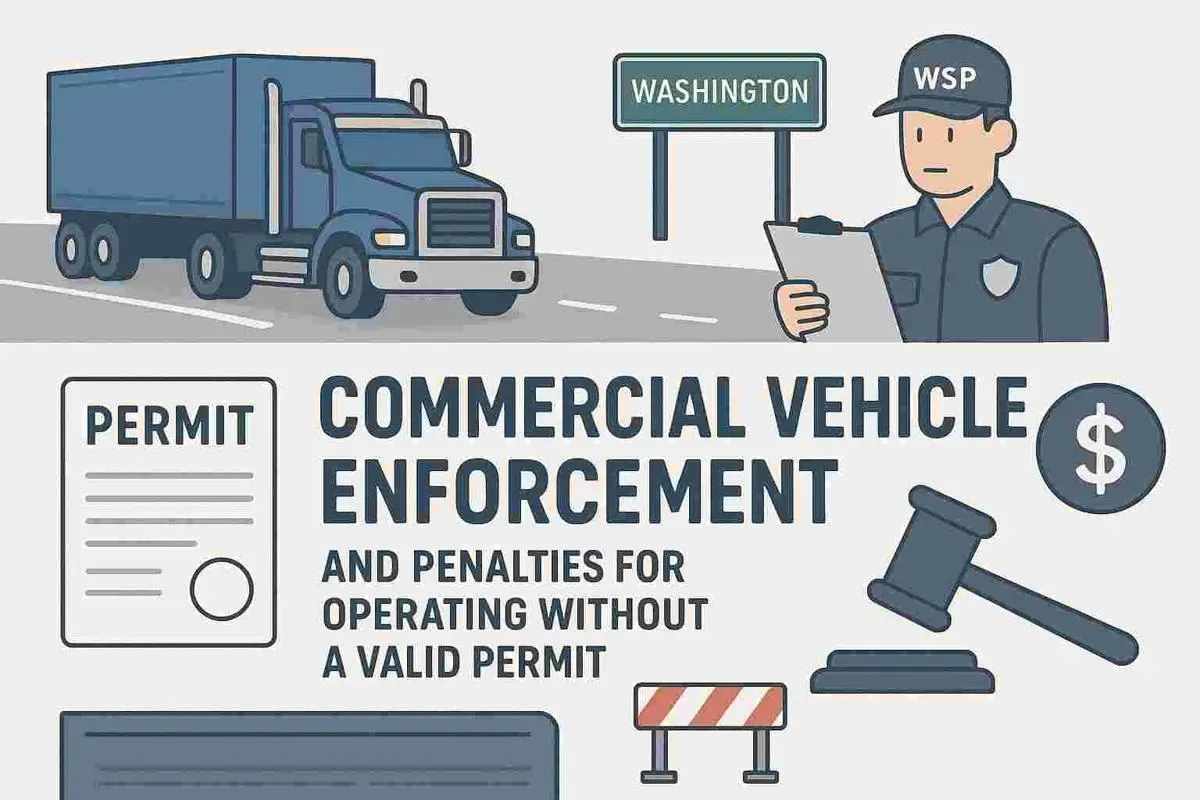
Commercial Vehicle Enforcement and Penalties for Operating Without a Valid Permit in Washington State.
Overview. Commercial Vehicle Enforcement and Penalties for Operating Without a Valid Permit in Washington State.
Oct. 8, 2025, 5:47 p.m.
Read more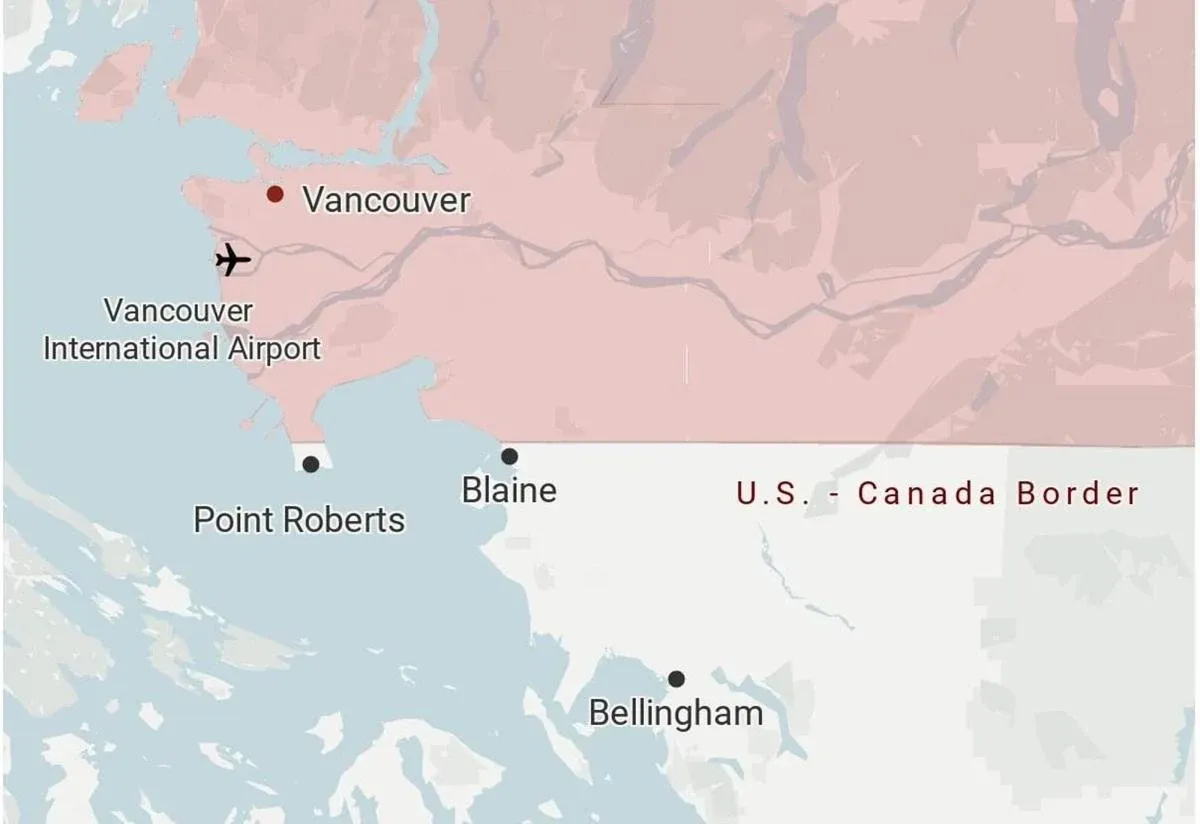
Cross-border trucking rules for Washington–Canada freight routes
Here’s a detailed breakdown of cross-border trucking rules for Washington State ↔ Canada freight routes (U.S. ↔ British Columbia / Canada). These are the key regulations, requirements, and best practices. If you want a version focused just on Washington carriers or Canadian carriers, I can pull that together too.
Oct. 7, 2025, 5:28 p.m.
Read more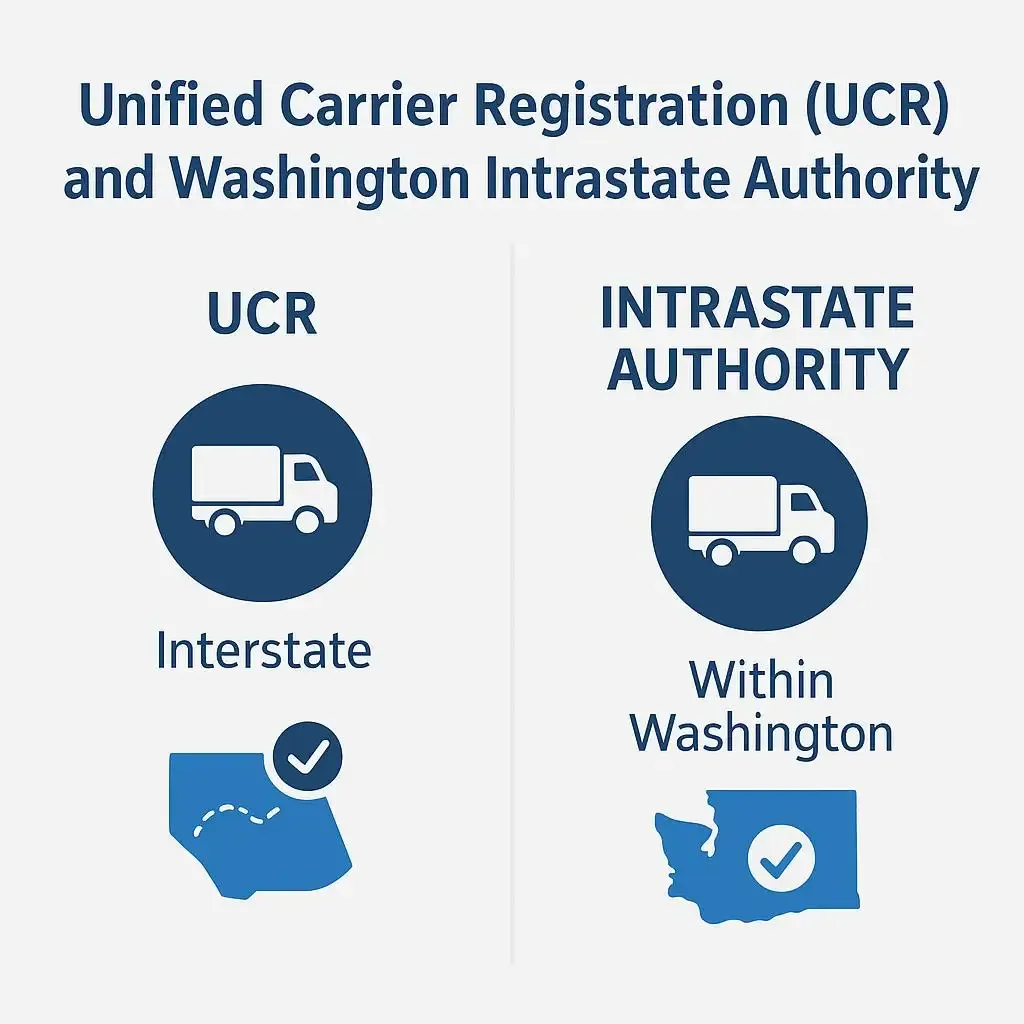
Unified Carrier Registration (UCR) and Washington intrastate authority
Here’s a detailed overview of Unified Carrier Registration (UCR) and Intrastate Authority as they apply in Washington State — what they mean, who must comply, and how to stay compliant.
Oct. 6, 2025, 7:07 p.m.
Read more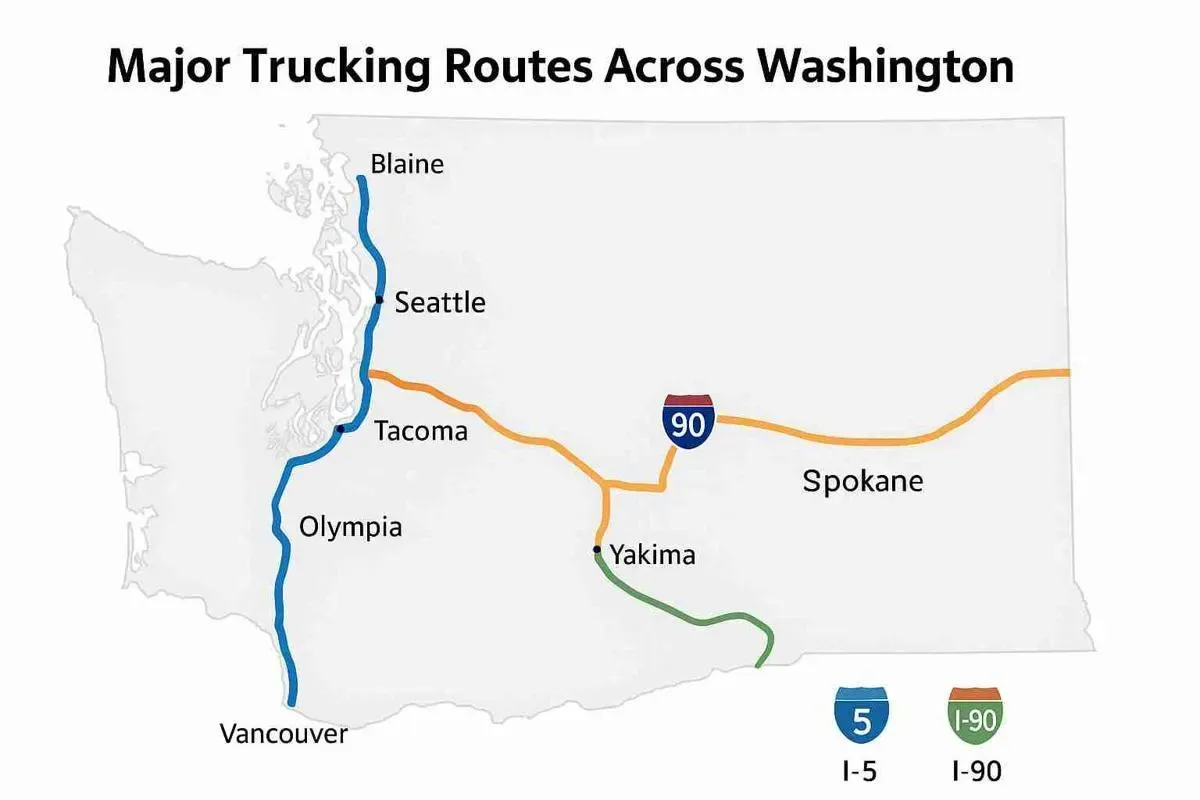
Major Trucking Routes Across Washington
I-5, I-90, and I-82 Explained
Oct. 5, 2025, 8:14 a.m.
Read more
The role of trucking in Washington’s agricultural exports
Washington Agriculture: Key Facts & Exports
Oct. 5, 2025, 8:10 a.m.
Read more